November 9, 2026
How to Approach Roof Repair After a Hailstorm
By @haildamageroofrepairden
Understanding the impact of hail on your roof
When a hailstorm passes through, the damage it leaves behind can be deceptive. From the ground, a roof might look fine. But even small hailstones can cause granule loss on asphalt shingles, create dents in a metal roof, or loosen flashing around vents and chimneys. Over time, these seemingly minor issues can lead to leaks, mold growth, and higher energy bills. That is why a thorough roof inspection after any significant hail event is a sensible first step. Knowing what to look for and when to call a professional can save you from costly surprises later.
Hailstones vary widely in size - from pea-sized pellets that barely leave a mark to golf-ball-sized chunks that can punch through underlayment. The type of roofing material matters too. Asphalt shingles tend to lose protective granules, exposing the underlying asphalt to UV rays. A metal roof can show visible dents and, in severe cases, punctures. Tile roofs may crack or shift. Each material demands a different repair approach, so a general "one-size-fits-all" solution rarely works. A careful inspection helps determine the extent of the damage and the best path forward.
Why prompt action matters
After a storm, it is tempting to delay roof work. Maybe the leak is not obvious yet, or you are waiting for insurance adjusters. But postponing can turn a manageable repair into a major roof replacement. Water that seeps through tiny cracks can rot decking, saturate insulation, and stain ceilings. In Central Texas, where humidity and heat accelerate deterioration, a small leak can become a big problem within weeks. That is why many homeowners in Cedar Park and nearby North Austin communities schedule an inspection as soon as the weather clears. Early detection often means simpler fixes and lower costs.
Steps to take after a hailstorm
1. Safety first
Never climb onto a roof immediately after a storm. Surfaces can be slick, and hidden damage might make the structure unstable. Start with a ground-level inspection using binoculars. Look for missing shingles, exposed underlayment, or debris in gutters. If you spot something concerning, call a professional roofer for a closer look.

2. Document everything
Before any repair work begins, take clear photos of the damage from multiple angles. This documentation is crucial for your insurance claim. Note the date and time of the storm, and keep any correspondence with your insurance company. A well-documented claim is less likely to face delays or disputes.
3. Temporary measures
If there is an active leak, a temporary tarp installation can prevent further water intrusion until permanent repairs are made. This is a stopgap, not a solution. A professional can secure the tarp properly so it does not cause additional damage or become a hazard in the next windstorm.
4. Professional inspection
A qualified roofing contractor will check more than just the visible surface. They will examine flashings, valleys, vents, and skylights - areas where hail damage roof repair often requires specialized attention. They can also assess whether a full roof replacement is necessary or if targeted repairs will suffice.
Working with insurance
Most homeowner policies cover hail damage, but the claims process can be confusing. Start by reviewing your policy to understand your deductible and coverage limits. Then file a claim promptly. Many insurers require a damage assessment within a certain window. Be prepared to share your photos and the roofer's inspection report. The adjuster may want to see the damage in person before approving the claim. Having a professional roofer present during the adjuster's visit can help ensure nothing is overlooked. They can point out issues that might not be obvious to someone without roofing experience.
One common mistake is settling for a quick patch that does not match the existing roof. This can lead to aesthetic mismatches and, more importantly, different wear rates. If your roof has asphalt shingles, for example, mixing brands or colors can affect curb appeal and future resale value. A good roofer will source matching materials or recommend a full replacement if the match is too poor.
Choosing between repair and replacement
Not every hail-damaged roof needs to be torn off. Sometimes a few shingles need replacing, or a metal section can be straightened and sealed. But there are situations where replacement is the smarter choice. If more than a third of the roof is compromised, if the underlayment is exposed and weathered, or if the roof is near the end of its expected lifespan, replacement often costs less in the long run than repeated repairs.

A professional roofer can help you weigh these factors. They will consider the age of the roof, the extent of the damage, and the local climate. In areas prone to severe storms, a more durable material might justify the higher upfront cost of replacement. But if the roof is relatively new and the damage is localized, targeted repairs are usually sufficient.
What a typical repair involves
For asphalt shingles, the repair process usually means removing the damaged shingles and replacing them with new ones that match as closely as possible. The roofer will also check the underlayment for any tears or holes. For a metal roof, the process might involve hammering out dents, replacing damaged panels, and resealing exposed seams. Tile roofs require careful removal and replacement of cracked or dislodged tiles, along with inspection of the underlying waterproofing layer.
In every case, the goal is to restore the roof's ability to shed water and resist future storms. That is why a thorough storm restoration plan includes not just the visible repairs but also reinforcement of flashings, gutters, and downspouts. These details matter because a roof is only as strong as its weakest point.
Signs that your roof needs attention
- Missing or curled shingles after a storm
- Granules in gutters or downspouts
- Dents or punctures on a metal roof
- Water stains on ceilings or walls
- Drafts or higher energy bills from compromised insulation
If you notice any of these signs, it is wise to schedule a leak detection test or a full roof inspection. Early intervention keeps small problems from becoming major expenses.
The role of professional storm restoration
Storm restoration goes beyond simply fixing what broke. It means assessing the overall health of the roof and making sure it can handle the next big storm. A good contractor will check for loose fasteners, degraded sealants, and areas where water might pool. They will also advise on upgrades, such as impact-resistant shingles or stronger flashing, that can reduce future damage. For homeowners in areas that see frequent hailstorms, this kind of proactive approach pays off.
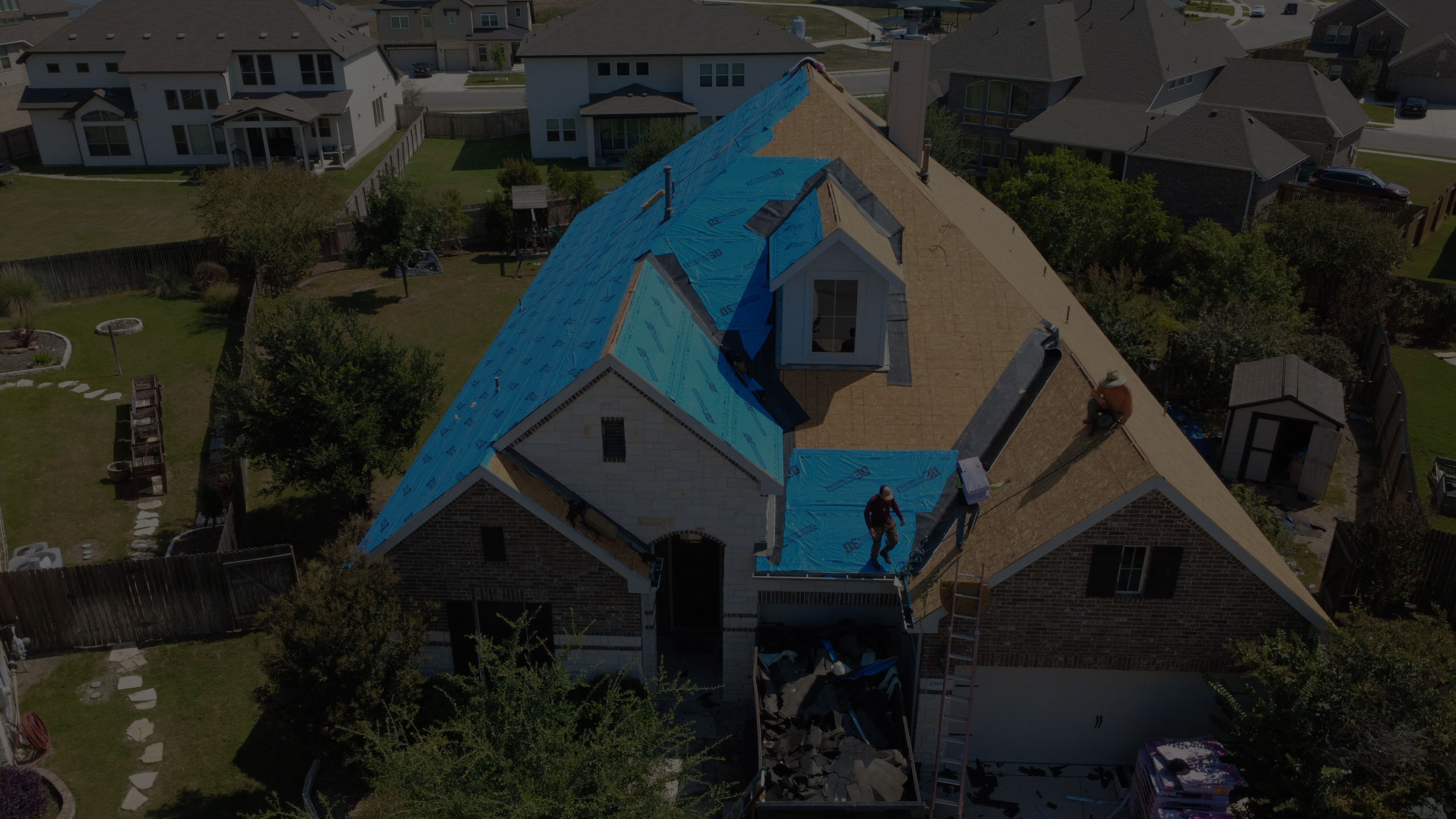
Hail damage roof repair is a specialized skill. It requires knowing how different materials react to impact, how to match existing roofing, and how to ensure the repair blends seamlessly with the original work. A roofer who understands these nuances can often restore a roof to near-original condition, extending its life by years.
Final thoughts
No one looks forward to dealing with roof damage. But a clear plan and a reliable contractor can make the process much less stressful. Start with a safe inspection, document everything, and call in a professional who knows local conditions. Whether the solution is a simple repair or a full replacement, acting quickly and thoughtfully will protect your home and your peace of mind.
❧